Rochester, MI · Oakland County
Water Damage Restoration Rochester, MI
24/7 water damage restoration in Rochester, MI. The restoration team extracts standing water, dries the structure to the IICRC S500 standard and documents every step for your insurance claim.
(888) 612-9219Start the Rochester dry-out now
Right now
What to do while the water is still moving
- 1
Shut the water off
Close the main valve, usually by the meter in the basement.
- 2
Cut power to wet rooms
Only if the electrical panel sits in a dry spot.
- 3
Stay out of standing water
Water near outlets, a furnace or a water heater can be live.
- 4
Photograph before moving anything
Pictures of the water line and the source help the claim.
- 5
Lift rugs and boxes, then call
Mold can start inside 24 to 48 hours, so drying should start first.
Services
Water Damage Restoration Services in Rochester, MI
Water and sewage only, sorted by where the water came from. Every job includes extraction, structural drying and daily readings.
From the ground and the rivers
Water that comes in low: basements, sump pits, walkout doors and the two rivers.
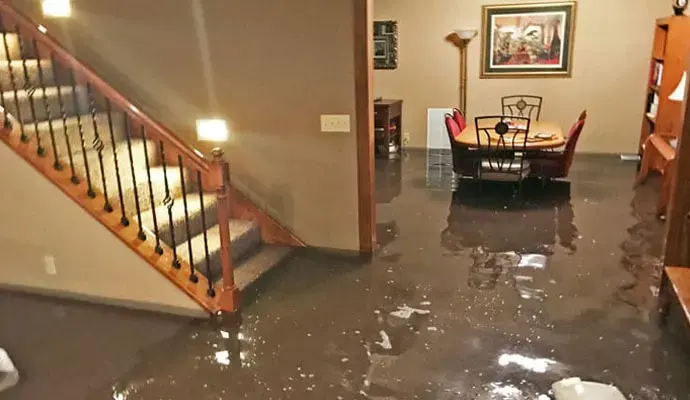 Basement Flooding CleanupFinished lower levels pumped out, opened where needed and dried to readings.View service
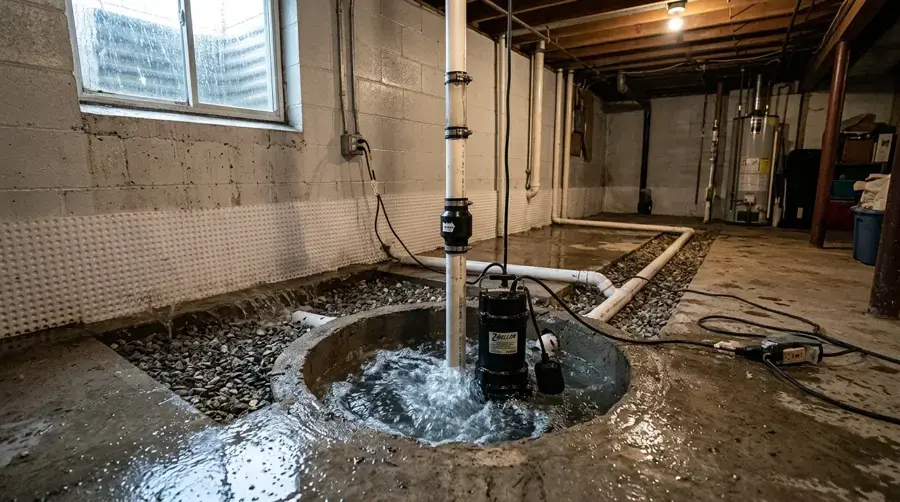 Sump Pump Failure CleanupA dead or swamped pump in a storm, the pit water pulled and the slab dried.View service
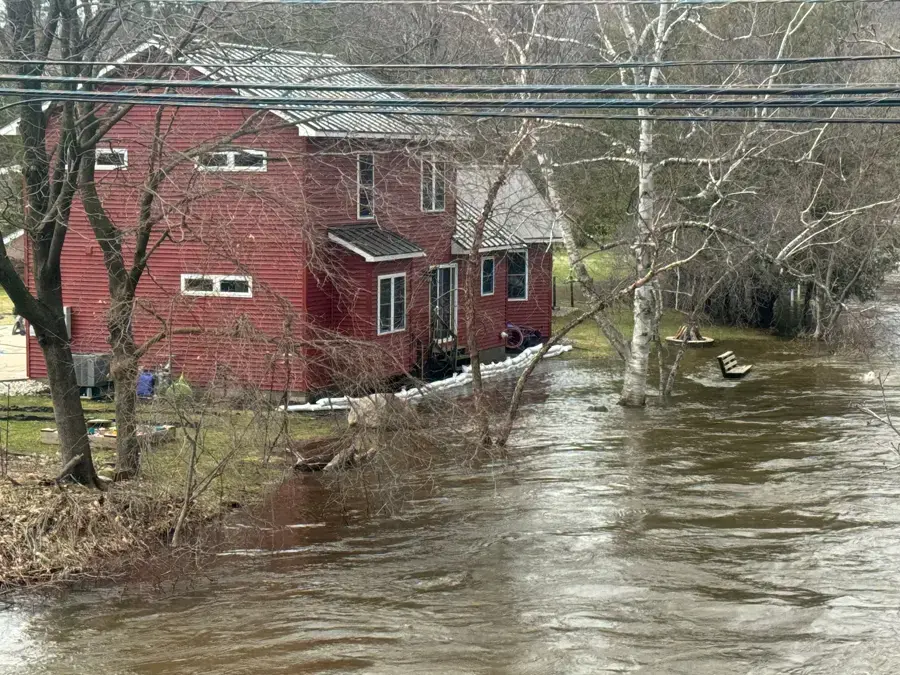 River & Creek Flood CleanupPaint Creek and Clinton River high water, handled as Category 3 from the start.View service
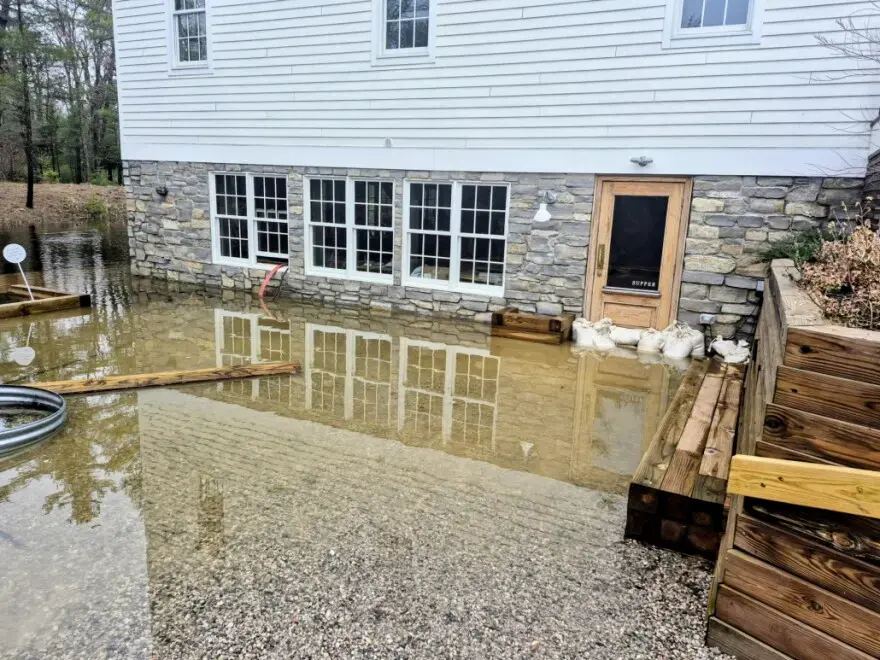 Storm Water DamageRunoff through walkout doors and window wells in a summer cloudburst.View service
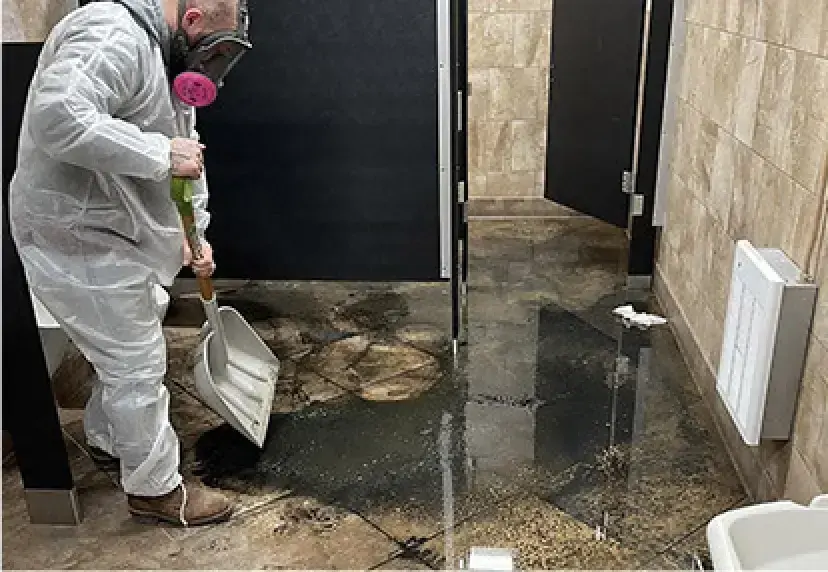 Sewage Backup CleanupFloor drain and toilet backups contained, removed and treated as Category 3.View service
From the plumbing
Pipes, tanks and hoses inside the house, most of them in the basement.
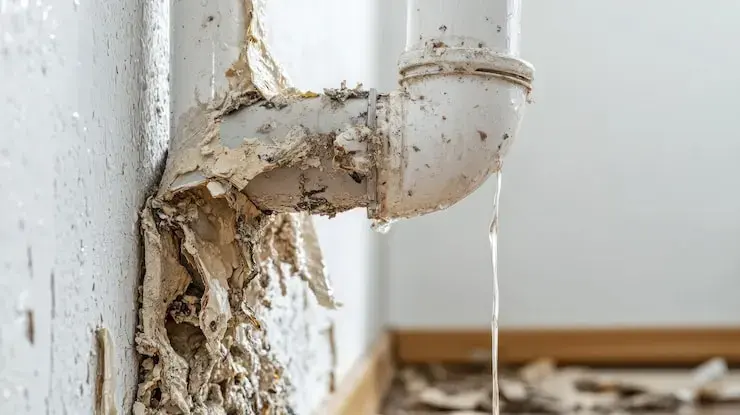 Burst Pipe CleanupSupply line failures inside walls and ceilings, traced and dried in the cavity.View service
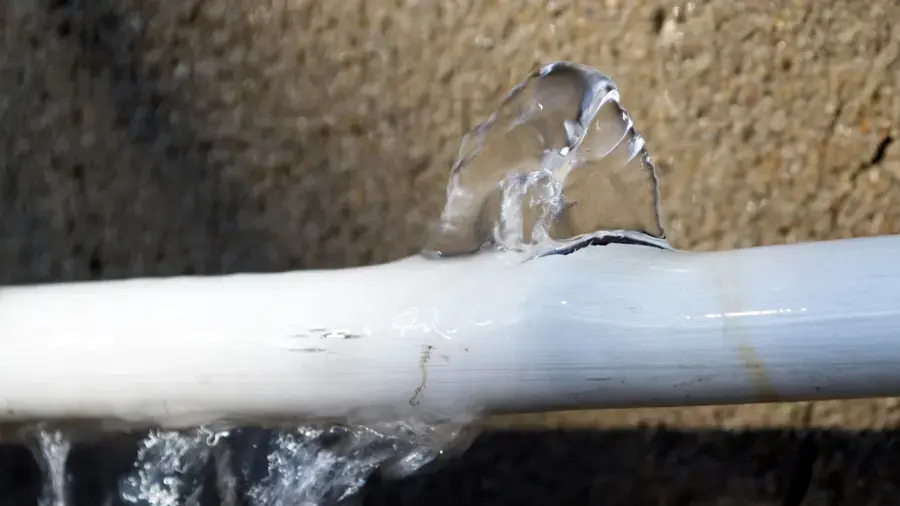 Frozen Pipe CleanupSplit lines in exterior walls, garages and crawl spaces after a hard freeze.View service
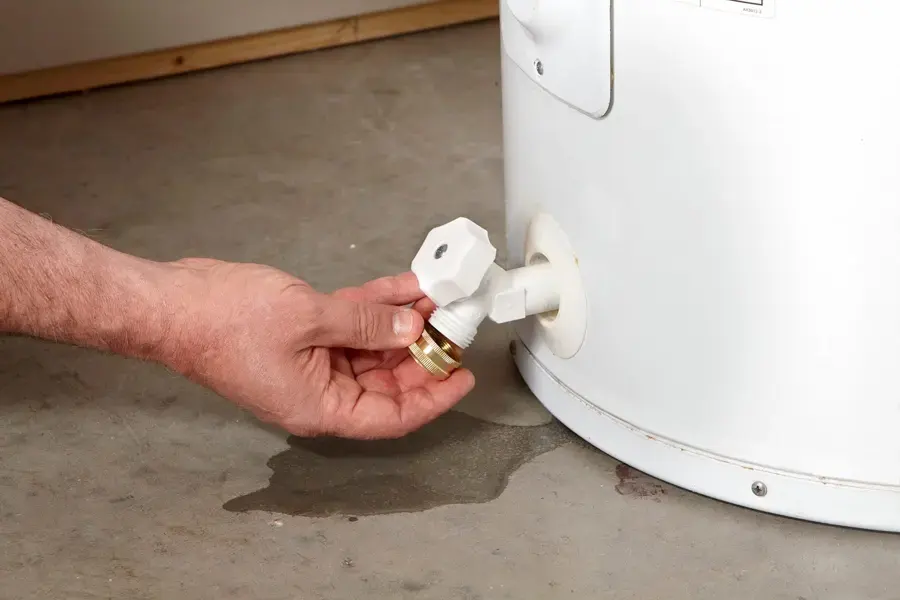 Water Heater Leak CleanupTank and fitting leaks in the basement utility corner, extracted and dried.View service
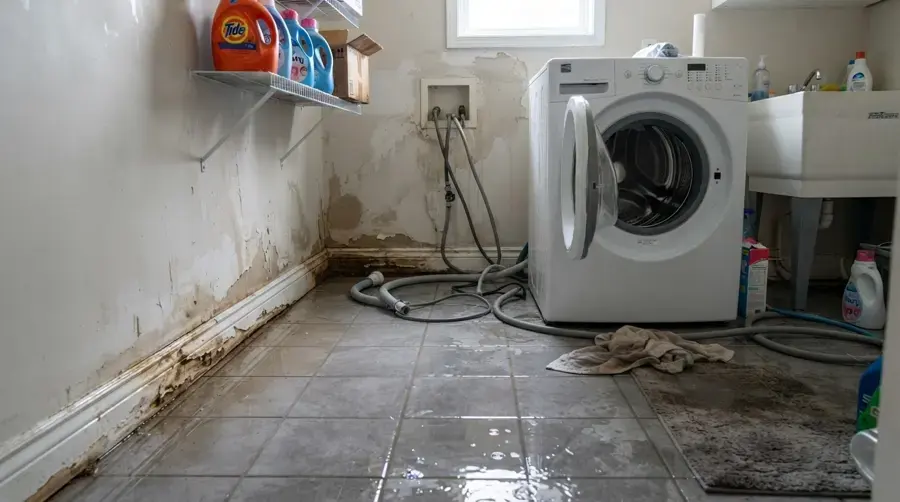 Washer & Appliance Leak CleanupWasher hoses, dishwashers and ice makers that let go while no one was home.View service
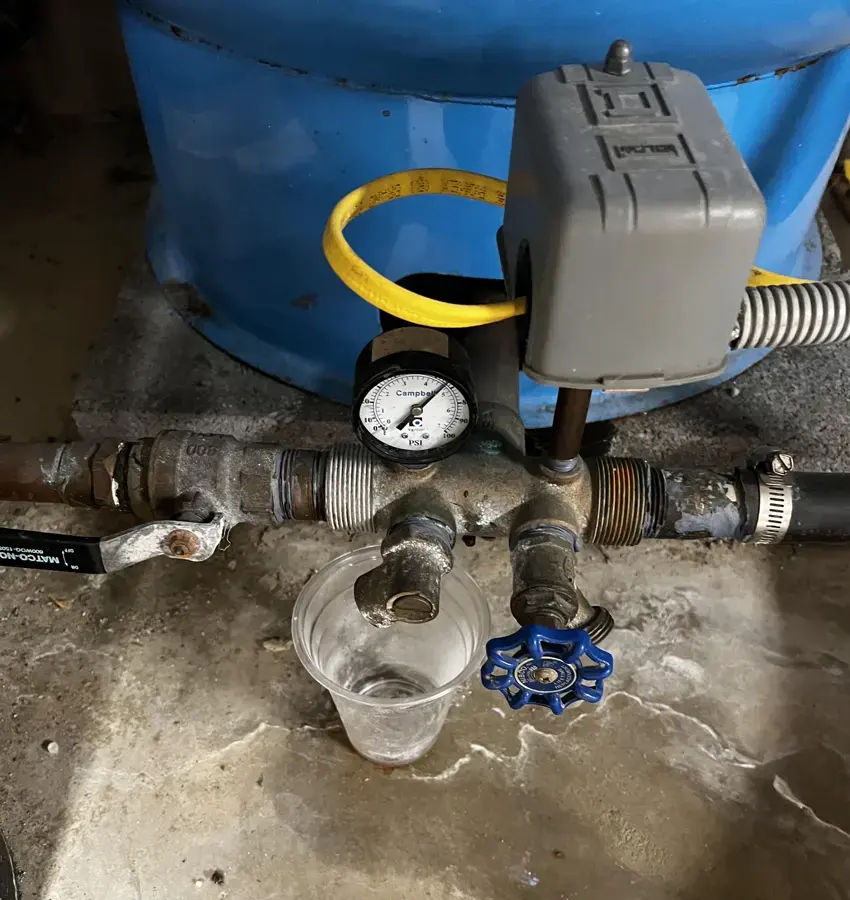 Well Tank & Softener Leak CleanupPressure tank, softener and filter leaks on Oakland Township well systems.View service
From above
Water that starts at the roof or an upper floor and shows up in a ceiling.
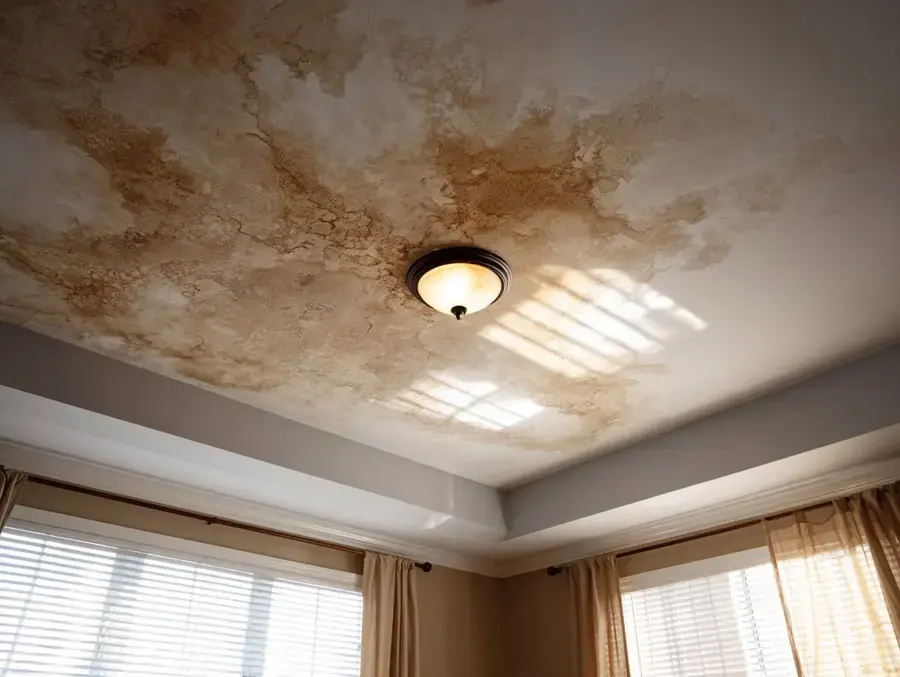
The dry-out and business losses
Extraction and structural drying on every job, plus commercial buildings.
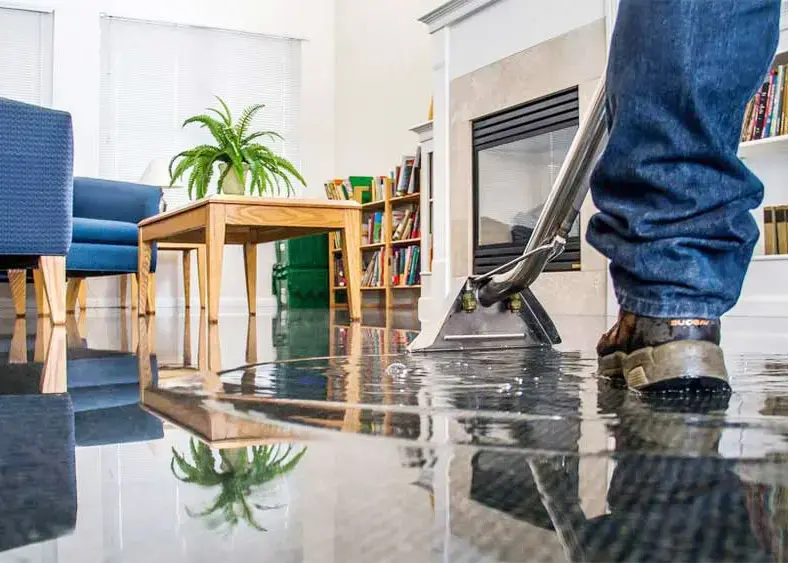 Water Extraction & RemovalStanding water pulled out with truck-mounted extraction before it soaks deeper.View service
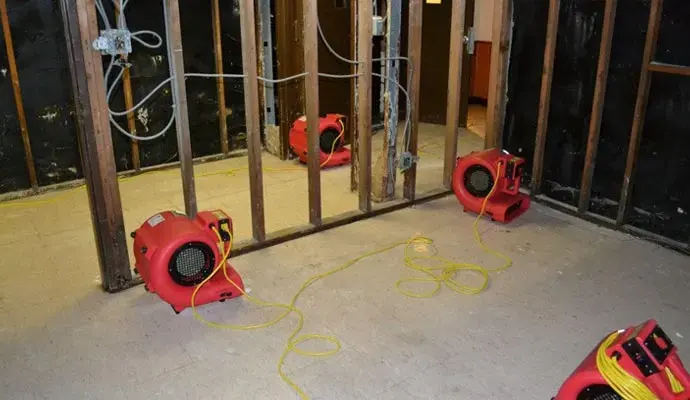 Structural Drying & DehumidificationFraming, subfloor and wall cavities dried to the IICRC S500 goal.View service
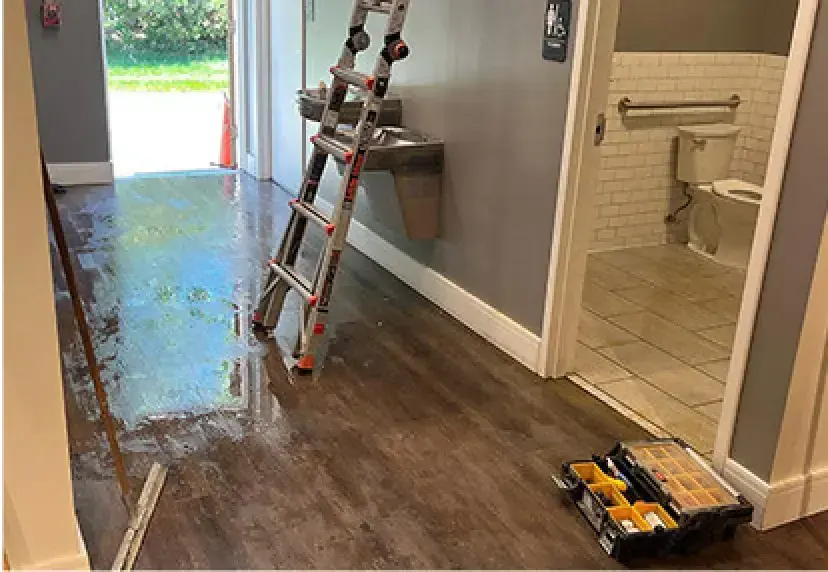 Commercial Water Damage RestorationMain Street storefronts and offices dried with the doors kept open where possible.View service
Basement and sump
Rochester basements: sump pits, floor drains and walkout doors
Most water in Rochester homes ends up below grade: busy sump pits, floor drains that back up in heavy rain and hillside lots that send runoff at the lower door.
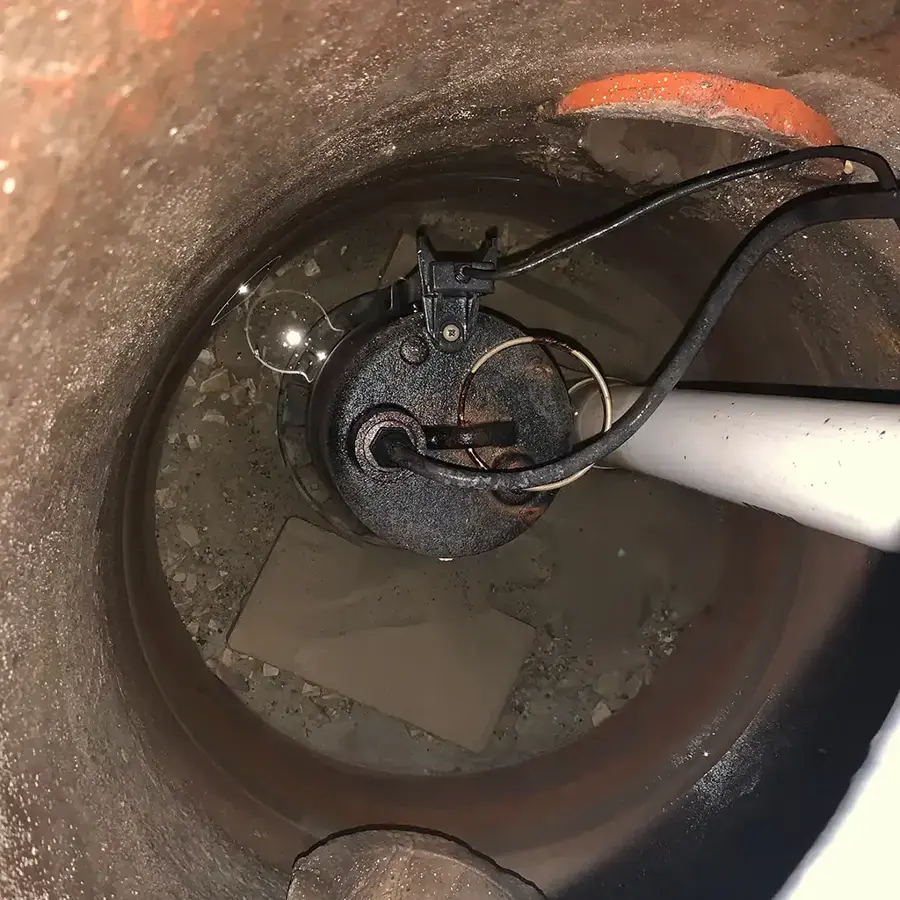
Sump pit overflowing
- Pump quiet while water rises: check the breaker
- Power out in a storm: bail or run a backup pump
- Water on the floor: lift what you can and call
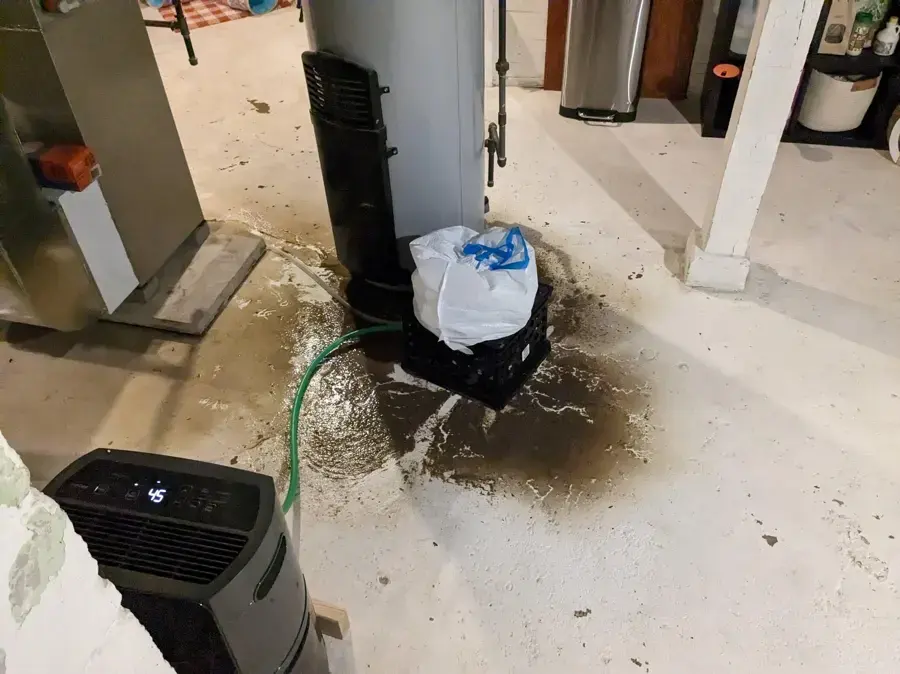
Floor drain backing up
- Stop running water anywhere in the house
- Treat the water as sewage, Category 3
- Keep children and pets out of the basement
Walkout door taking water
- Wait for the storm to pass before opening the door
- Towels or sandbags at the threshold once it is safe
- Photograph the water inside and the slope outside
How a water loss is handled
How the Rochester restoration team handles a water loss
Rapid local response
The response team covers Rochester and Rochester Hills day and night, and emergency water calls are treated as urgent.
IICRC S500 drying standard
IICRC S500 is the industry drying standard. Equipment stays until the readings say dry, not until it looks dry.
Claim-ready documentation
Moisture maps, daily drying logs and timestamped photos go into one file an adjuster can follow.
Oakland County water experts
Walkout basements, stone foundations downtown and private wells up north: local experts know how water moves here.
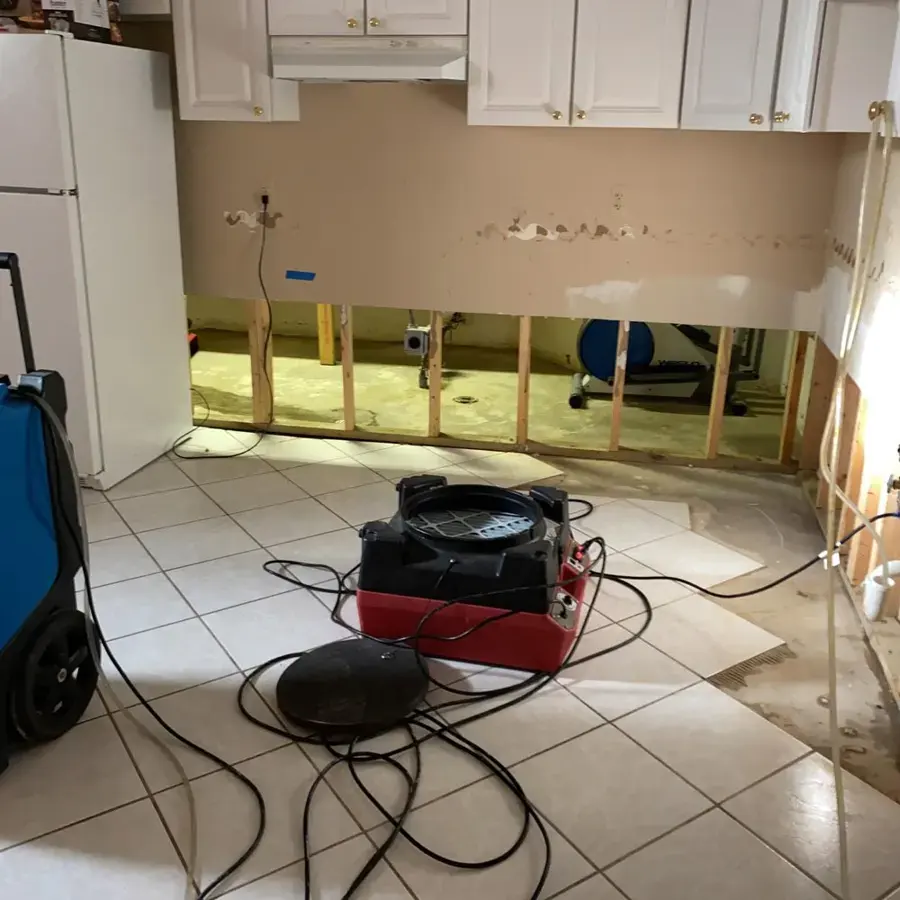
How the dry-out works
Water damage dried to the IICRC S500 standard
- 1
Moisture mapping
The tech who does the walkthrough maps wet materials with pinless meters and thermal imaging first.
- 2
Extraction
The extraction crew pulls standing water out with truck-mounted units.
- 3
Air movers and LGR dehumidifiers
The drying team sizes equipment to each room, with desiccants for Class 4 materials.
- 4
Daily readings to the goal
Equipment comes out once wet materials sit within 2 to 4 points of a dry reference.
Typical cost ranges
What does water damage restoration cost in Rochester, MI?
In Rochester, MI, water damage restoration typically runs $1,000 to $15,000 or more. The drivers are the water category, the square footage that got wet, the material class and how fast drying started.
Contained clean-water loss
$1,000 to $3,500
- One or two rooms
- Extraction and drying
- Daily moisture readings
Finished basement or two levels
$3,500 to $9,000
- Pad removal and flood cuts
- Cavity and slab drying
- LGR dehumidifiers
Category 3 or wide loss
$9,000 to $15,000+
- Sewage or river water
- Porous materials removed
- Containment and HEPA
For a planning range on your own home, run the water damage cost calculator or the drying-time estimator.
Equipment
The gear a real dry-out runs on
Truck-mounted extraction pulls water out of the house.
Air movers are set to each room's evaporation load.
LGR dehumidifiers keep pulling moisture as the air dries.
Thermal imaging and pinless meters find water behind walls.
Containment and HEPA air scrubbers on contaminated losses.
Insurance
Documentation for your insurance claim
A water claim is decided on the file, not on the phone call. The restoration team records the loss from the first reading, so the adjuster can follow what got wet and how it dried.
A burst supply pipe is treated differently from rising surface water, which falls under flood coverage, and sump backup often needs its own endorsement. Coverage depends on your policy, so it is worth checking with your own insurer.
Water categories
All water damage categories covered in Rochester, MI
Category 1, clean water
From a supply pipe, a water heater or a well tank. Extracted and dried in place when it is caught early.
Category 2, gray water
From a washer drain, a dishwasher or a sump pit. Soaked pad and porous materials come out.
Category 3, black water
Sewage backups and river or creek floodwater. Contained, porous materials removed, surfaces treated.
See sewage backup cleanupGallery
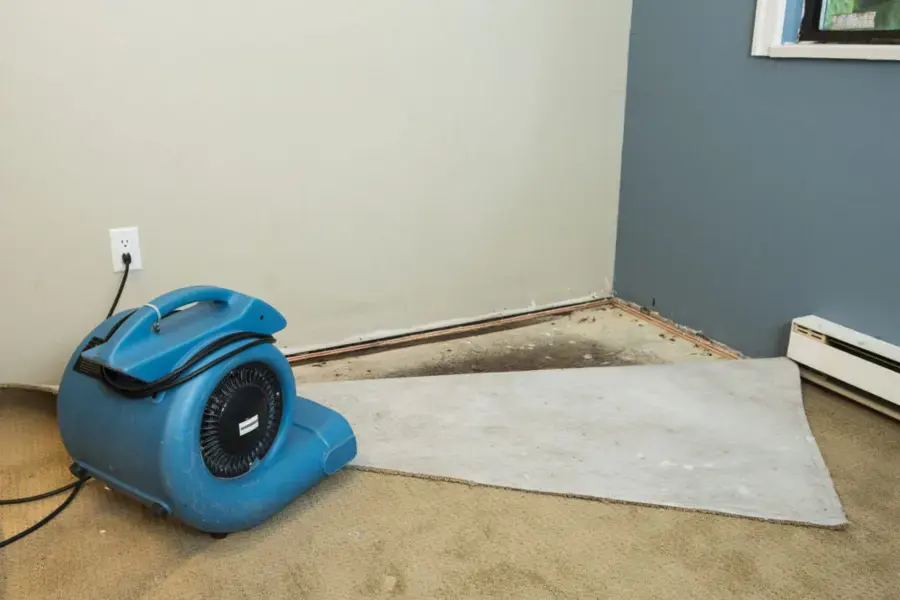
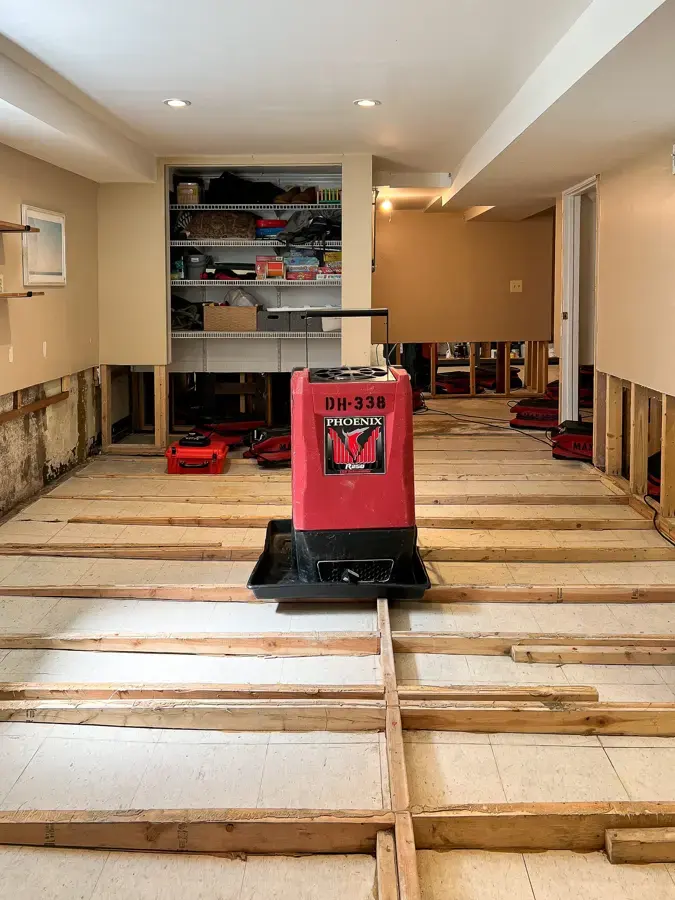
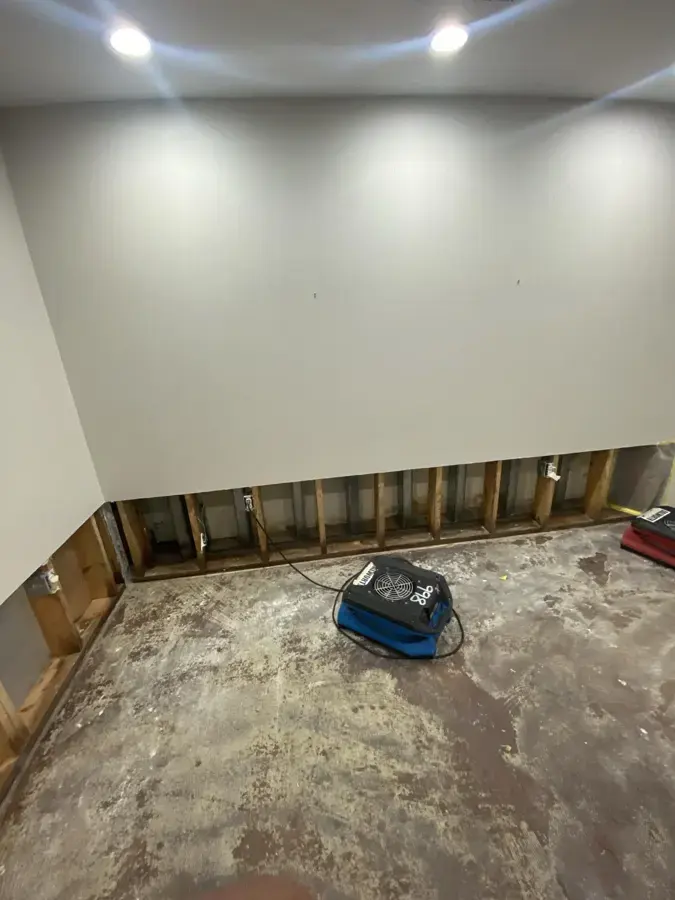
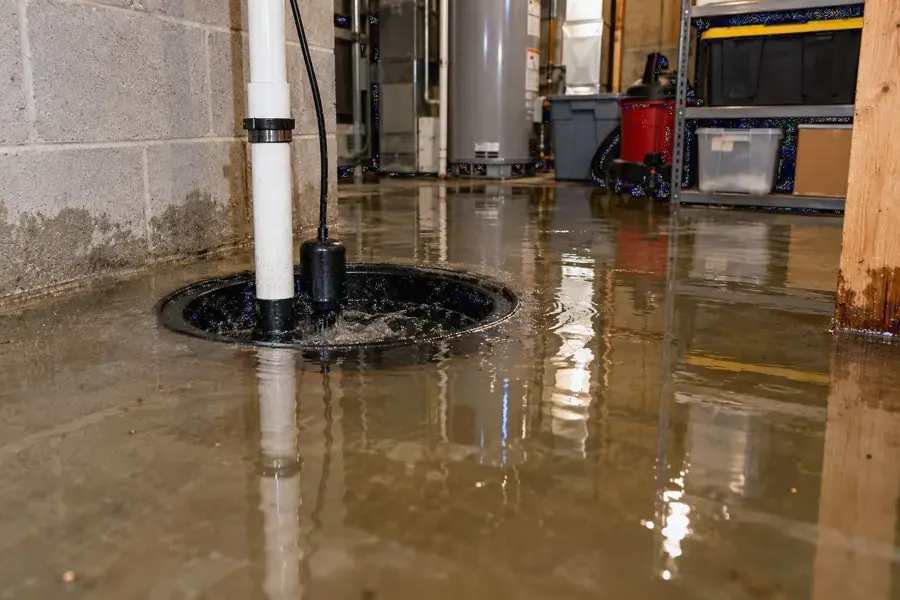
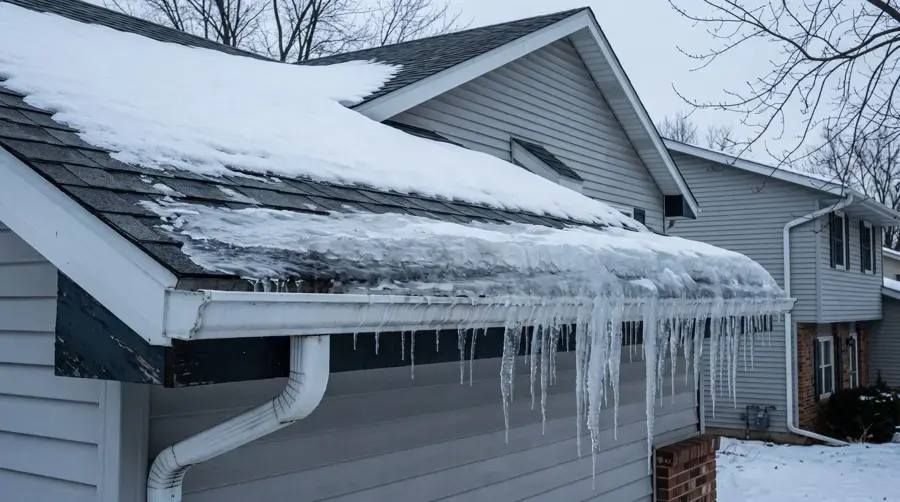
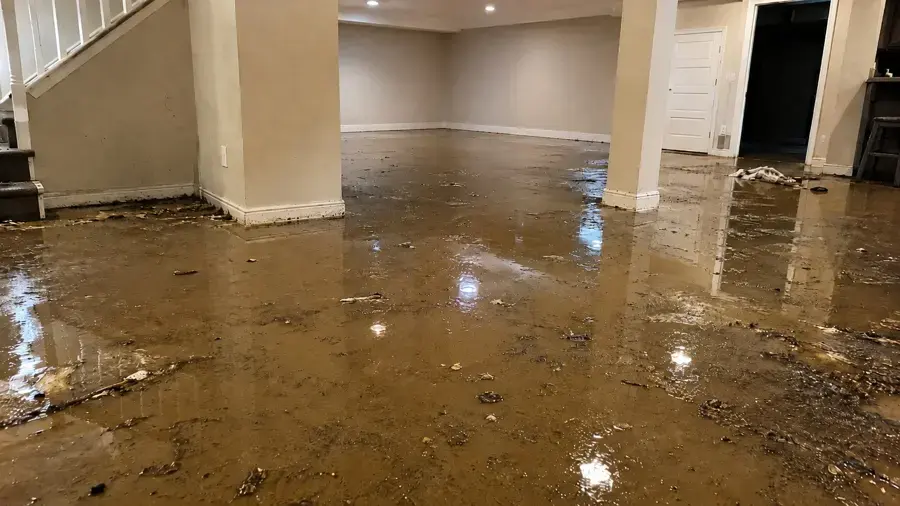
What a water damage dry-out looks like in Rochester
Emergency dispatch
One call reaches Rochester water damage pros, 24/7
Rochester water damage pros answer day and night, weekends included. Say which floor is wet and whether the water is still moving.
(888) 612-9219Get a Rochester restoration pro on the phoneWater Restoration Rochester MI
Rochester, MI, Oakland County
Open every hour, every day
Find us on GoogleService area
Areas served around Rochester, MI
The restoration team covers Rochester and Rochester Hills across four ZIP codes, plus the Oakland County towns around them.
Downtown Rochester and North Hill 48307
Downtown Main Street, North Hill, Paint Creek corridor, Rochester Municipal Park, University Drive
South Rochester Hills and Brooklands 48307
Brooklands, Auburn Road, Avon Road, Hamlin Road, Clinton River Trail
North Rochester Hills and Oakland Township 48306
Tienken Road, Adams Road, Goodison, Oakland Township
West Rochester Hills and Oakland University 48309
Oakland University, Walton Boulevard, Crooks Road, Livernois Road
Local risk profile
Water damage in Rochester, MI: the local risk profile
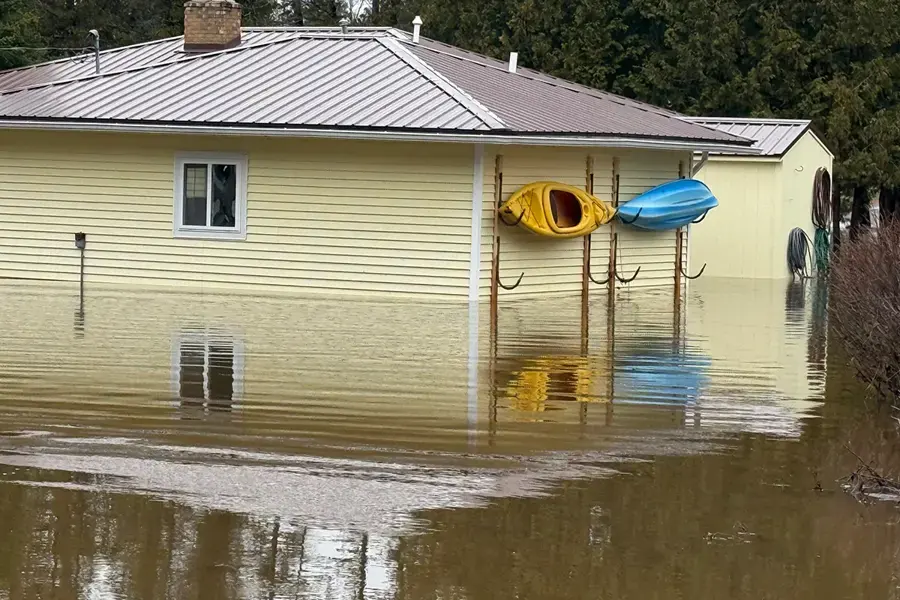
Rochester sits where Paint Creek meets the Clinton River, and its houses range from 1800s homes on North Hill to 1990s walkouts in Rochester Hills. A few failure modes account for most local water losses.
- Walkout basements built into the river-valley slopes take storm runoff at the lower door.
- Older stone and block foundations downtown seep during spring snowmelt.
- Sump pits run hard in wet months, and summer storm outages stop them cold.
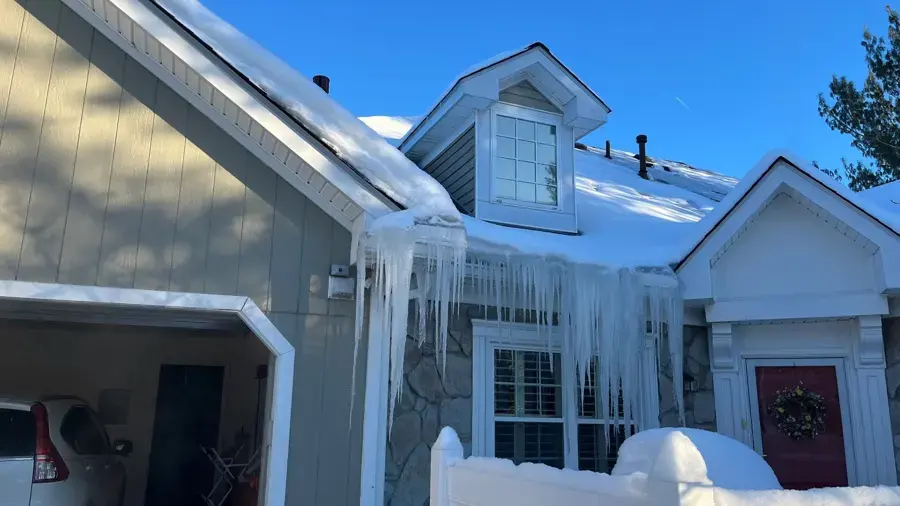
- Deep freezes split pipes in exterior walls, and ice dams form at the eaves.
- Wells toward Oakland Township add pressure tank leaks; some 1978 to 1995 homes carry polybutylene pipe.
Questions
Rochester water damage questions, answered
1How fast can someone respond in Rochester?
Rochester water damage pros answer around the clock, and emergency water calls are treated as urgent. The sooner extraction starts, the smaller the repair.
2Is water damage covered by insurance in Michigan?
Sudden and accidental water, like a burst supply pipe, is often covered after the deductible. Sump and drain backup usually needs its own endorsement, and river flooding falls under flood insurance. Coverage depends on your policy, so it is worth checking with your own insurer.
3What causes most water damage in Rochester homes?
Basements take most of it: failed sump pumps, floor drain backups and walkout doors facing downhill. Frozen pipes, ice dams and well tanks round out the list.
4How long does drying take?
A contained Class 1 or 2 loss usually dries in three to five days; hardwood, plaster and concrete slabs take longer. Equipment comes out when readings reach the drying goal.
5What is the IICRC S500?
The industry standard for professional water damage restoration. It sets how water is categorized and how drying is verified with readings.
6What should I do first while the water is still spreading?
Close the main shutoff, cut power to wet rooms if the panel is dry, photograph everything and lift what you can. Then call.
7When does drywall have to come out?
When it is soft, when the insulation behind it is soaked, or when Category 3 water touched it. Firm drywall wet with clean water is often dried in place.
8Why is sewage handled differently?
Sewage backup is Category 3 the moment it happens. The area is contained, porous materials it touched are removed, and surfaces are treated with an EPA-registered antimicrobial before drying.
24/7 emergency dispatch
Water in your Rochester home? Start the dry-out now.
Standing water keeps moving into subfloor, drywall and framing. The Rochester restoration crew extracts, dries and documents, day and night.