Lower level · Rochester, MI
Basement Flooding Cleanup in Rochester, MI
Most Rochester Hills basements are finished living space, so a flood means carpet, drywall and furniture, not just a wet slab. The extraction crew pumps it out and the drying team dries it to readings.
(888) 612-9219Start the basement dry-out in Rochester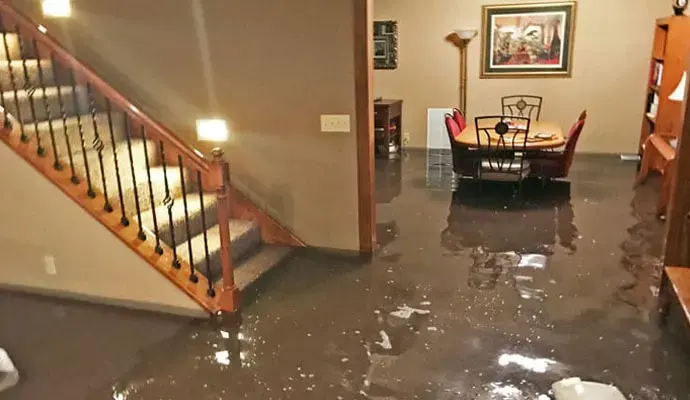
Common sources
Sump, floor drain, seepage, plumbing
Water category
Set by the source, often 2
Drying standard
IICRC S500
Slowest to dry
The concrete slab
Do this first
First moves when you find basement flooding
- Stay out of deep water Do not wade in if outlets or appliances are under water.
- Kill power if safe Shut basement breakers only from a dry spot.
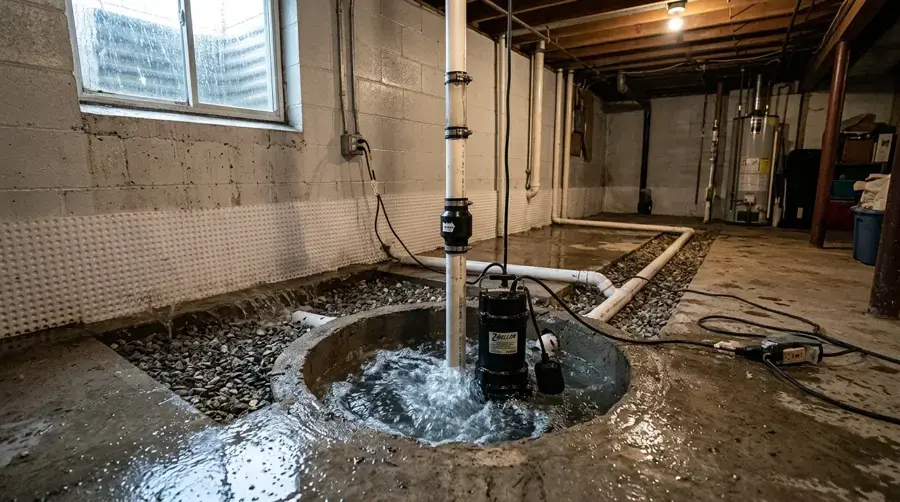
- Check the sump If the pump has power and is quiet, it may have failed.
- Lift and move Carry boxes, rugs and electronics upstairs.
- Take photos Photograph the water line on walls before cleanup starts.
Typical cost ranges
What does basement flooding cleanup cost in Rochester, MI?
In Rochester, MI, basement flooding cleanup typically runs $2,000 to $15,000. The drivers are how deep the water got, how much of the basement is finished, the water category and how fast drying started.
Unfinished basement
$2,000 to $4,500
- Pump-out and extraction
- Slab and wall drying
- Daily readings
Partly finished
$4,500 to $9,000
- Carpet and pad out
- Flood cuts where wet
- Cavity drying
Fully finished level
$9,000 to $15,000+
- Wide material removal
- Antimicrobial where needed
- Full structural drying
Every loss is priced on its own facts. Run the water damage cost calculator for a planning range before the walkthrough.
The work, step by step
How basement flooding is handled in Rochester, MI
- 1
Find the source
The tech who does the walkthrough identifies sump, drain, seepage or plumbing and sets the water category.
- 2
Pump and extract
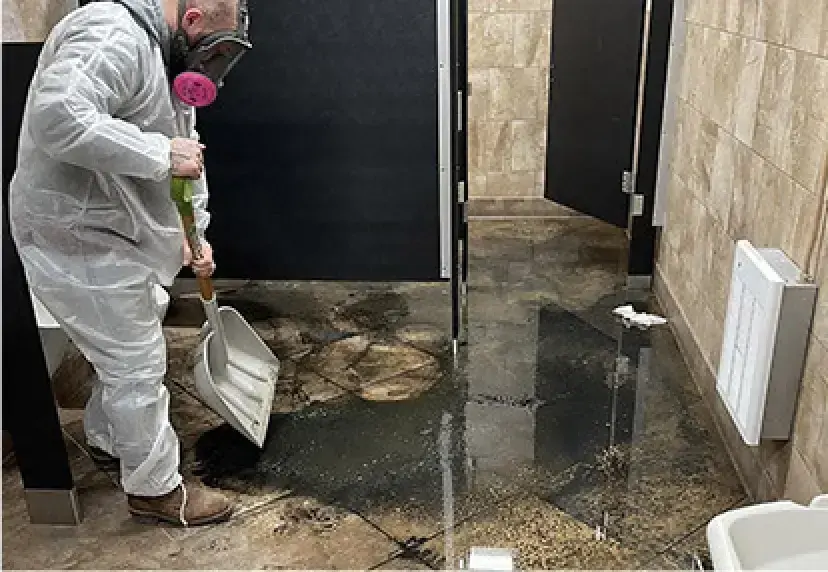
The extraction crew pumps deep water, then extracts carpet and hard floors.
- 3
Open what traps water
The mitigation team removes pad and makes flood cuts only where readings call for it.
- 4
Dry and verify
Air movers, LGR dehumidifiers and heat run until slab and framing hit the drying goal.
A Rochester basement can flood from four directions at once: groundwater pushing through the walls, a sump pit that cannot keep up, a floor drain that backs up in a storm, or a pipe that lets go overhead. The source decides how the cleanup goes, so the tech who does the walkthrough finds it before anything else happens.
Why basements in Rochester take on water
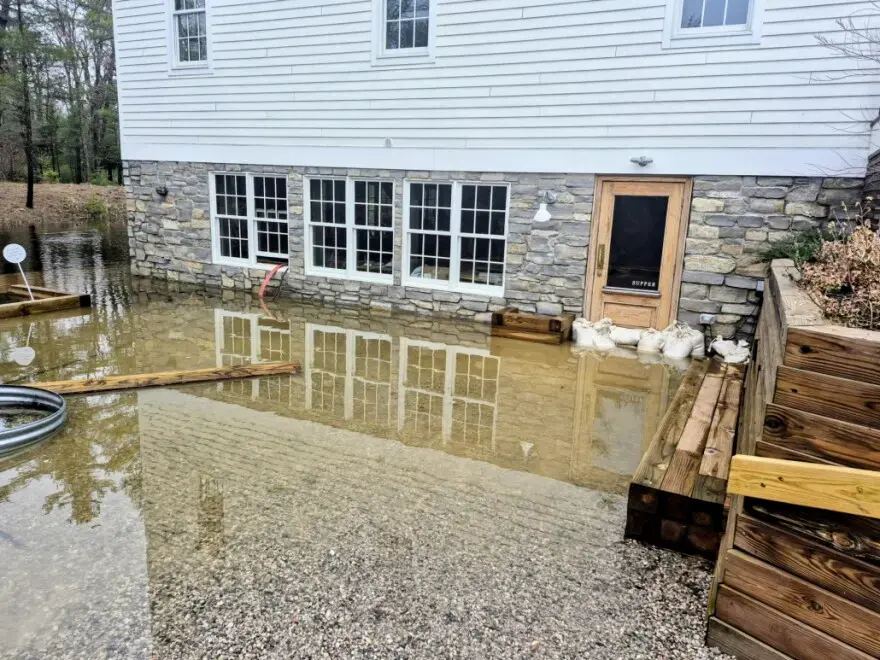
- Homes built into the slopes of the Paint Creek and Clinton River valleys often have walkout lower levels that face downhill toward the runoff
- Older North Hill and downtown houses sit on stone and block foundations that seep in spring
- Sump pits work hard through snowmelt and summer storms, and a power outage stops them cold
- Water heaters, well tanks and washers usually live in the basement utility corner
How the cleanup works
The extraction crew pumps deep water with submersible pumps, then runs truck-mounted extraction across carpet and hard floors. Carpet pad comes out. Drywall that wicked water gets a flood cut, usually 12 to 24 inches off the floor, so the wall cavity can dry and insulation can be checked. Paneling, built-in shelving and baseboards are pulled where water is trapped behind them.
Then the drying team sets air movers and LGR dehumidifiers, and on a cold concrete basement often adds heat to speed evaporation. The slab is usually the last material to reach its goal, and equipment stays until the readings say dry.
Trade fact: finished basements are often Class 3 or Class 4 losses because water gets into drywall, insulation and dense materials like concrete at the same time, which is why they take more equipment than a wet room upstairs.
Protecting the basement next time
After the dry-out, a battery backup sump pump, a backflow valve on the floor drain, and downspouts that discharge well away from the foundation all cut the odds of a repeat. The Basement Water Risk Check scores a lower level in a few questions, and the FloodSmart.gov flood insurance site and National Weather Service flood safety page explain flood coverage and storm warnings.
Service area
Basement Flooding Cleanup across Rochester and Oakland County
The restoration team covers Rochester and Rochester Hills across ZIP codes 48306, 48307, 48308 and 48309, from downtown Main Street and North Hill to Brooklands, Oakland University and the Oakland Township edge, plus Shelby Township, Auburn Hills, Lake Orion, Troy and Utica.
See every area and ZIP coveredRelated
Related water damage services in Rochester
Questions
Basement Flooding Cleanup questions in Rochester, MI
1Can a finished basement be saved?
Often a large part of it can. Framing, most drywall above the flood cut and many hard surfaces dry in place. Pad, soaked insulation and anything touched by Category 3 water is removed.
2How long does a basement take to dry?
A contained loss usually dries in three to five days. A finished basement with a wet slab can take longer because concrete gives up moisture slowly.
3Why cut the drywall if it looks dry?
Drywall wicks water well above the visible line, and the cavity behind it stays wet. A flood cut lets air reach the framing and insulation so the wall dries instead of trapping moisture.
4Is basement flood water dangerous?
It can be. Water from a floor drain backup is sewage, and river water carries soil and runoff. Treat it as contaminated unless it clearly came from a clean supply pipe.
5Does homeowners insurance cover a flooded basement?
It depends on the source. A burst pipe is often covered, sump and drain backup usually needs a separate endorsement, and river flooding falls under flood insurance. Coverage depends on your policy, so it is worth checking with your own insurer.
6What stops it happening again?
A battery backup sump pump, a floor drain backflow valve, downspout extensions and grading that slopes away from the house are the usual fixes after a Rochester basement flood.
7Should the furnace be checked?
Yes. If water reached the furnace, water heater or electrical panel, have a qualified technician inspect them before they run again.
24/7 emergency dispatch
Basement Flooding Cleanup in Rochester? Start the dry-out now.
Water that sits keeps spreading into subfloor, drywall and framing. The Rochester restoration crew handles basement flooding 24/7 across Rochester and Rochester Hills.