Summer storms · Rochester, MI
Storm Water Damage in Rochester, MI
A summer cloudburst can drop more rain than the yard can absorb, and on a hillside lot the runoff heads straight for the walkout door. The restoration team extracts it, sorts out what stays and dries the level.
(888) 612-9219Speak with 24/7 dispatch about storm water in Rochester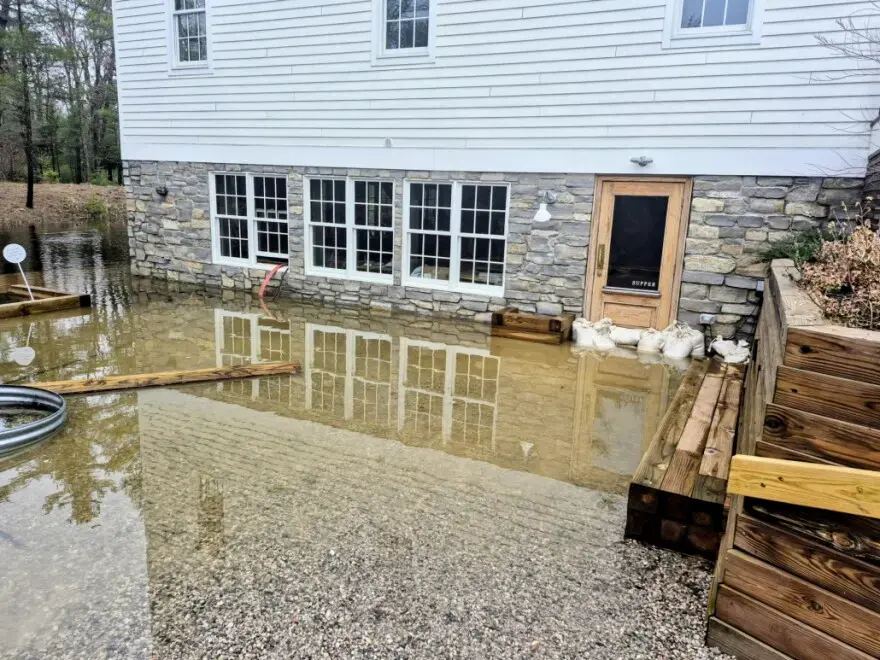
Common entry
Walkout doors and window wells
Water category
2 or 3, set by what it crossed
Drying standard
IICRC S500
Season
Summer thunderstorms and spring melt
Do this first
First moves when you find storm water damage
- Wait for the storm to pass Do not open a door with water piled against it.
- Cut power if safe Shut lower-level breakers from a dry spot.
- Block and redirect Towels and sandbags slow water at the door once it is safe.
- Move belongings Lift what you can above the water.
- Photograph everything Take pictures of the water, the door and the yard.
Typical cost ranges
What does storm water damage cost in Rochester, MI?
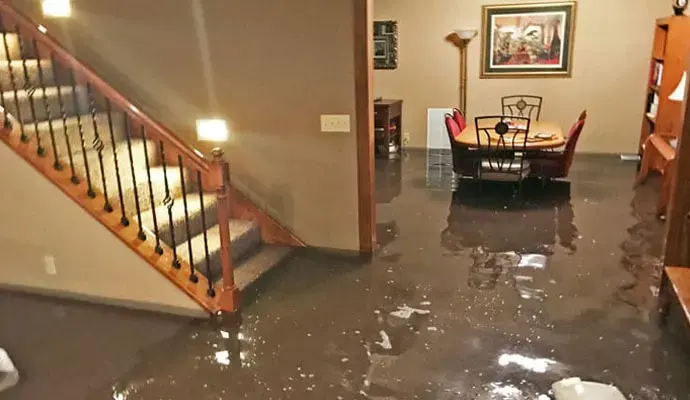
In Rochester, MI, storm water damage cleanup typically runs $1,500 to $12,000. The drivers are how much of the level took water, the water category, how much mud came in and how much material has to come out.
Door or window area
$1,500 to $3,500
- Extraction
- Baseboard and pad out
- Local drying
Most of a lower level
$3,500 to $7,500
- Flood cuts
- Mud cleanup
- Structural drying
Category 3 storm loss
$7,500 to $12,000+
- Containment
- Wide material removal
- Antimicrobial and drying
Every loss is priced on its own facts. Run the water damage cost calculator for a planning range before the walkthrough.
The work, step by step
How storm water damage is handled in Rochester, MI
- 1
Set the category
The tech who does the walkthrough judges what the runoff crossed and marks the wet area.
- 2
Extract water and mud
The extraction crew clears standing water and silt from the level.
- 3
Open wet walls
The mitigation team removes pad, baseboard and wet drywall where readings show water.
- 4
Dry to the goal
The drying team runs equipment and logs readings daily until the level is dry.
Rochester sits in a valley, and a lot of Rochester Hills was built on the slopes above Paint Creek and the Clinton River. That terrain is why so many homes here have walkout lower levels, and why a heavy storm sends sheet runoff down the lawn and against the lower door, or pours it into a window well until the glass gives way.
How storm water gets in
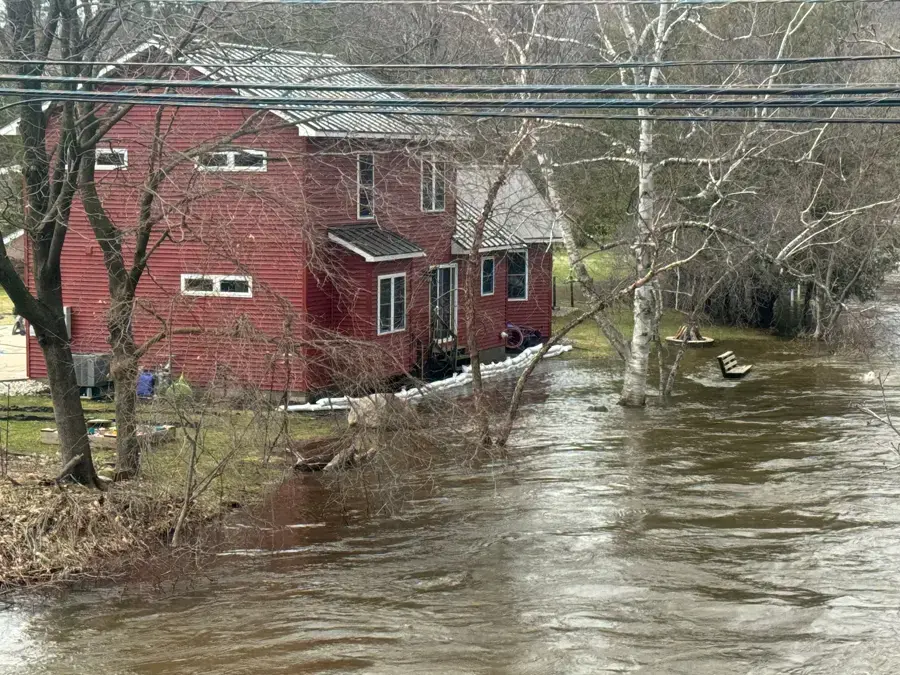
- Runoff down a slope against a walkout door or patio slab
- Window wells that fill and leak through the window or the well wall
- Downspouts that dump next to the foundation instead of away from it
- Wind-driven rain through damaged siding, flashing or a torn roof
- Floor drains pushed backward when heavy rain overloads the sewer
How the cleanup works
The tech who does the walkthrough sets the water category first. Rainwater that ran across a lawn and mulch bed is usually Category 2; water that crossed a street or mixed with a drain backup is Category 3 and is handled like river flooding. The extraction crew removes standing water and mud, and the mitigation team pulls pad, baseboard and wet drywall where readings show water in the wall.
The drying team then runs air movers and LGR dehumidifiers across the level. Walkout basements often dry faster than buried ones because one side is above grade, but the slab under the door usually holds moisture longest.
Trade fact: the water category is decided by what the water touched on the way in, not by how clean it looks, so storm water that crossed a driveway or street is treated as contaminated.
Stopping the next storm at the door
After the dry-out, downspout extensions, window well covers, regrading so the yard slopes away from the house, and a trench drain in front of a walkout door keep most runoff outside. The National Weather Service thunderstorm safety page and the Ready.gov flood page cover storm preparation.
Service area
Storm Water Damage across Rochester and Oakland County
The restoration team covers Rochester and Rochester Hills across ZIP codes 48306, 48307, 48308 and 48309, from downtown Main Street and North Hill to Brooklands, Oakland University and the Oakland Township edge, plus Shelby Township, Auburn Hills, Lake Orion, Troy and Utica.
See every area and ZIP coveredRelated
Related water damage services in Rochester
Questions
Storm Water Damage questions in Rochester, MI
1Is storm water damage covered by insurance?
Rain that enters through storm damage to the roof or walls is often covered; surface water flowing in from outside usually falls under flood coverage. Coverage depends on your policy, so it is worth checking with your own insurer.
2Why do walkout basements flood in storms?
The lower door faces downhill, so runoff from the slope collects against it. A trench drain, regrading and a raised threshold help.
3Is rainwater in the basement clean?
Not once it runs across soil, mulch or pavement. Most crews treat it as Category 2, and Category 3 if it crossed a street or mixed with a drain backup.
4Can a window well be fixed after the leak?
Yes. A clear cover, a drain in the well floor and resealing the window keep water out. The wet wall below still needs drying first.
5How long does storm water drying take?
A contained loss usually dries in three to five days. More material and a wet slab stretch that out.
6Should sandbags stay in place?
Leave them until the storm is over and the yard has drained, then remove them so the door area can dry.
24/7 emergency dispatch
Storm Water Damage in Rochester? Start the dry-out now.
Water that sits keeps spreading into subfloor, drywall and framing. The Rochester restoration crew handles storm water damage 24/7 across Rochester and Rochester Hills.