Laundry and kitchen · Rochester, MI
Washer & Appliance Leak Cleanup in Rochester, MI
A washer hose or dishwasher line can run for hours while the house is empty. The extraction crew pulls water out of floors and cabinets, and the drying team dries the subfloor and the ceiling below.
(888) 612-9219Get the laundry room leak dried out in Rochester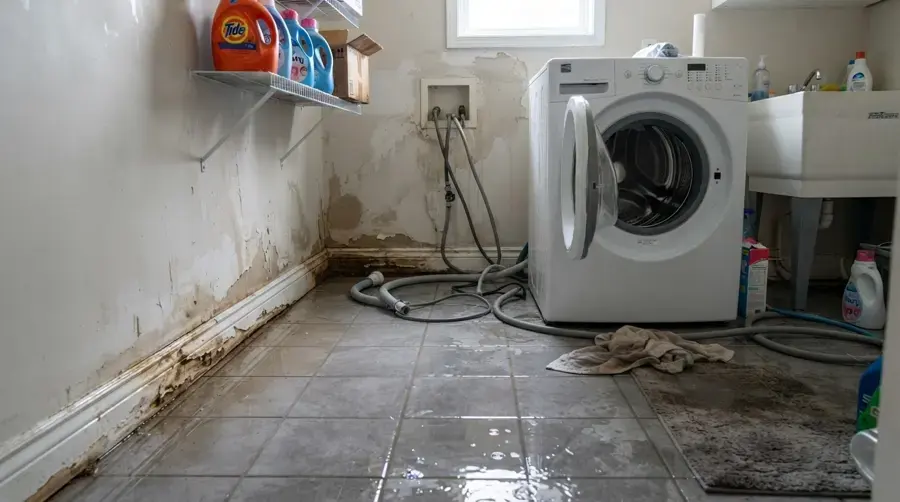
Common source
Washer supply hose
Water category
1 from supply, 2 from drain
Drying standard
IICRC S500
Hidden water
Under cabinets and flooring
Do this first
First moves when you find an appliance leak
- Shut the valve Close the supply valve behind the appliance or the main.
- Unplug the appliance Only if the outlet and floor are dry.
- Mop what you can Towels slow the spread under cabinets.
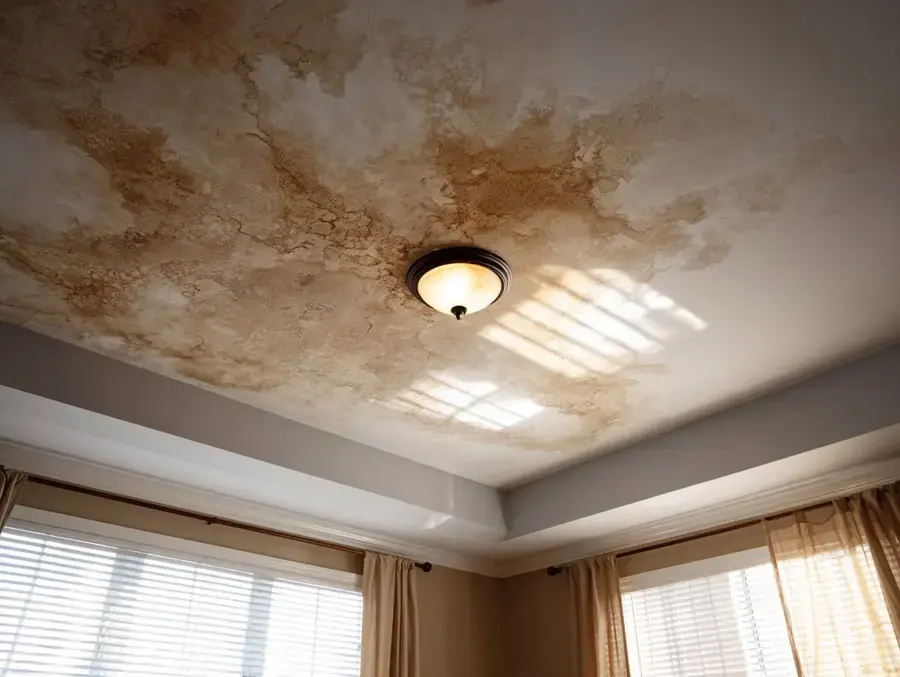
- Check the ceiling below Look for drips or a stain under an upstairs laundry.
- Photograph the hose Keep the failed part for the claim.
Typical cost ranges
What does washer and appliance leak cleanup cost in Rochester, MI?
In Rochester, MI, washer and appliance leak cleanup typically runs $600 to $6,000. The drivers are how long it ran, whether it reached a ceiling below, the flooring type and how fast drying started.
One room, caught early
$600 to $1,800
- Extraction
- Toe kick removal
- Floor drying
Kitchen or laundry spread
$1,800 to $3,800
- Flooring checks
- Cabinet base drying
- Air movers and LGR
Upstairs leak, two levels
$3,800 to $6,000+
- Ceiling drainage
- Drywall removal
- Two-level drying
Every loss is priced on its own facts. Run the water damage cost calculator for a planning range before the walkthrough.
The work, step by step
How an appliance leak is handled in Rochester, MI
- 1
Meter the hidden spots
The tech who does the walkthrough checks under cabinets, flooring and the ceiling below.
- 2
Extract
The extraction crew removes standing water from floors and cabinets.
- 3
Open for airflow
The mitigation team pulls toe kicks and wet pad so air can reach the subfloor.
- 4
Dry to the goal
The drying team runs equipment and logs readings until the floor is dry.
Appliance leaks are among the most common water losses in Rochester Hills homes, and they are sneaky. A rubber washer hose bursts, a dishwasher door seal fails or an ice maker line cracks behind the refrigerator, and the water runs under cabinets and flooring where no one can see it.
Where appliance leaks start
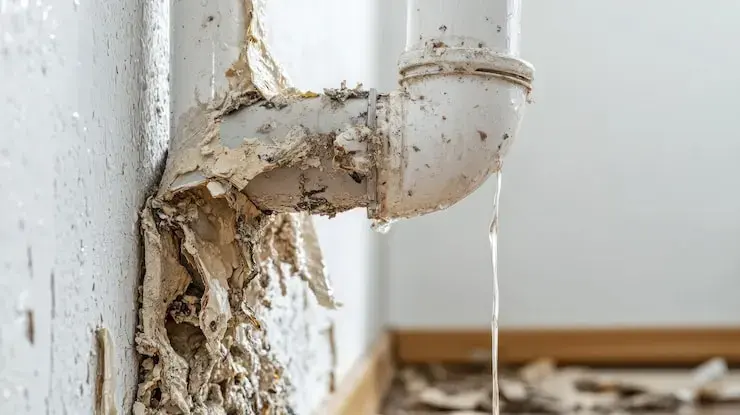
- Rubber washing machine supply hoses, the most common failure
- Washer drain hoses that pop out of the standpipe, which is gray water
- Dishwasher supply lines and door seals
- Refrigerator ice maker lines behind the unit
- Upstairs laundry rooms that leak into the ceiling below
How the cleanup works
The tech who does the walkthrough meters the floor, the toe kicks and the wall behind the appliance, and checks the ceiling below if the laundry is upstairs. The extraction crew removes standing water. Laminate and vinyl plank often trap water underneath, so the crew checks the subfloor before deciding whether flooring can stay.
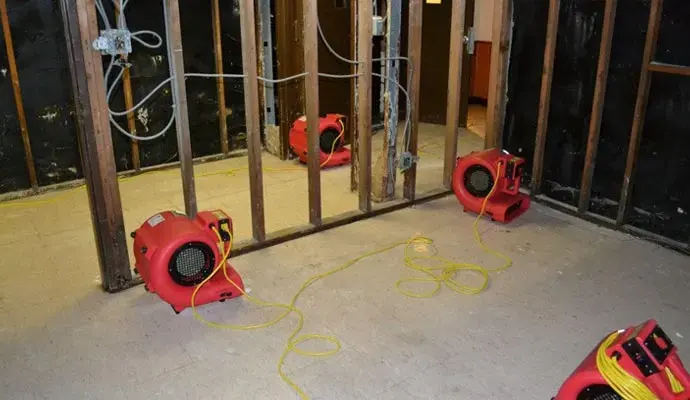
Toe kicks come off so air can reach under cabinets, and the drying team runs air movers and LGR dehumidifiers, sometimes with drying mats on hardwood. Readings go in the log daily until the subfloor and cabinet bases reach the goal. Water that came from a washer drain is Category 2, so soaked pad and porous materials come out.
Trade fact: cabinet bases are particleboard in many kitchens, and particleboard swells permanently once it soaks, so it is often replaced even when the cabinet boxes above dry fine.
Stopping the next one
Braided stainless supply hoses, a leak sensor under the washer and a drain pan in an upstairs laundry room are cheap protection. The EPA WaterSense leak page and the CPSC home safety page cover leak checks and appliance safety. Leaks that show up in a ceiling are covered on the ceiling leak page.
Service area
Washer and Appliance Leak Cleanup across Rochester and Oakland County
The restoration team covers Rochester and Rochester Hills across ZIP codes 48306, 48307, 48308 and 48309, from downtown Main Street and North Hill to Brooklands, Oakland University and the Oakland Township edge, plus Shelby Township, Auburn Hills, Lake Orion, Troy and Utica.
See every area and ZIP coveredRelated
Related water damage services in Rochester
Questions
Washer and Appliance Leak Cleanup questions in Rochester, MI
1How often should washer hoses be replaced?
Rubber hoses are often replaced every five years. Braided stainless hoses last longer and fail less often.
2Can laminate flooring be dried?
Sometimes, if it was caught early. Water trapped under laminate often means removing it so the subfloor can dry.
3Is washer drain water dirty?
Yes. Drain water is gray water, Category 2, so soaked carpet pad and porous materials are removed.
4Is an appliance leak covered by insurance?
A sudden hose or line failure is often covered, while a slow leak over weeks may not be. Coverage depends on your policy, so it is worth checking with your own insurer.
5Why remove the toe kicks?
The space under cabinets holds water, and removing the toe kick lets air reach it so the cabinet base and subfloor can dry.
6How long does drying take?
Most appliance leaks dry in two to four days. Hardwood and a ceiling below add time.
24/7 emergency dispatch
Washer and Appliance Leak Cleanup in Rochester? Start the dry-out now.
Water that sits keeps spreading into subfloor, drywall and framing. The Rochester restoration crew handles an appliance leak 24/7 across Rochester and Rochester Hills.